


Paysafecard Casinos: An Analytical Overview of Cash‑Safe Gambling with Prepaid Payment Method
In the global online gambling market, payment methods play a pivotal role in shaping user experience, trust, and transaction safety. Among these, Paysafecard has emerged as a widely recognized prepaid payment solution, particularly valued for its anonymity, budget control, and security features. As a result, a growing number of online casinos have introduced dedicated Paysafecard‑accepted gaming platforms, commonly referred to in industry parlance as “Paysafecard casinos.”
This article provides an authoritative and analytical examination of Paysafecard casinos, exploring their operational mechanics, benefits, limitations, security implications, regulatory context, and practical utility for players. The objective is to offer readers a clear, well‑structured understanding of how Paysafecard functions within the online casino ecosystem and what considerations users should weigh when selecting a casino that supports it.
What Is Paysafecard?
Paysafecard is a prepaid, voucher-based payment solution that enables users to conduct online transactions without the need to link a bank account, credit card, or any other personal financial information. The system operates on a simple principle: users purchase a Paysafecard voucher from authorized retail locations, online digital outlets, or partner websites, which contains a unique 16-digit PIN code. This code can then be used to pay for goods and services online up to the prepaid value stored on the voucher.
From a functional perspective, Paysafecard acts as an intermediary payment tool, providing several important benefits for users:
- Facilitates cash-based online payments: Users can convert cash into a digital payment method, allowing those who prefer or only have access to cash to participate in online transactions. This is particularly useful in regions where banking penetration is limited.
- Protects financial data: Since no bank account or credit card details are required, Paysafecard helps prevent sensitive financial information from being exposed to third-party websites, reducing the risk of fraud, identity theft, or unauthorized charges.
- Eliminates the need for card details at the point of transaction: Online merchants do not receive personal card information, which enhances privacy and security during the payment process. Users simply enter the voucher PIN to complete transactions.
- Supports small to moderate transactions safely: Paysafecard is ideal for budgeting online spending, as users can only spend the amount preloaded onto the voucher. This prevents overspending and allows for careful financial management.
In addition to these functional benefits, Paysafecard offers global accessibility, with vouchers accepted across thousands of online merchants, gaming platforms, streaming services, and e-commerce websites. Its simplicity and anonymity make it a preferred choice for users who value privacy, ease of use, and spending control. Many online gaming platforms, including casino and betting websites, have integrated Paysafecard as a standard payment method, allowing users to deposit funds quickly and securely without exposing personal financial data.
Furthermore, Paysafecard also provides tools like the My Paysafecard account, which allows users to consolidate multiple vouchers into a single online balance, track spending, and manage multiple transactions conveniently. This combination of prepaid flexibility, privacy, and security has helped Paysafecard gain widespread adoption among both casual and frequent online users.
Paysafecard in the Context of Online Casinos
Definition of a Paysafecard Casino
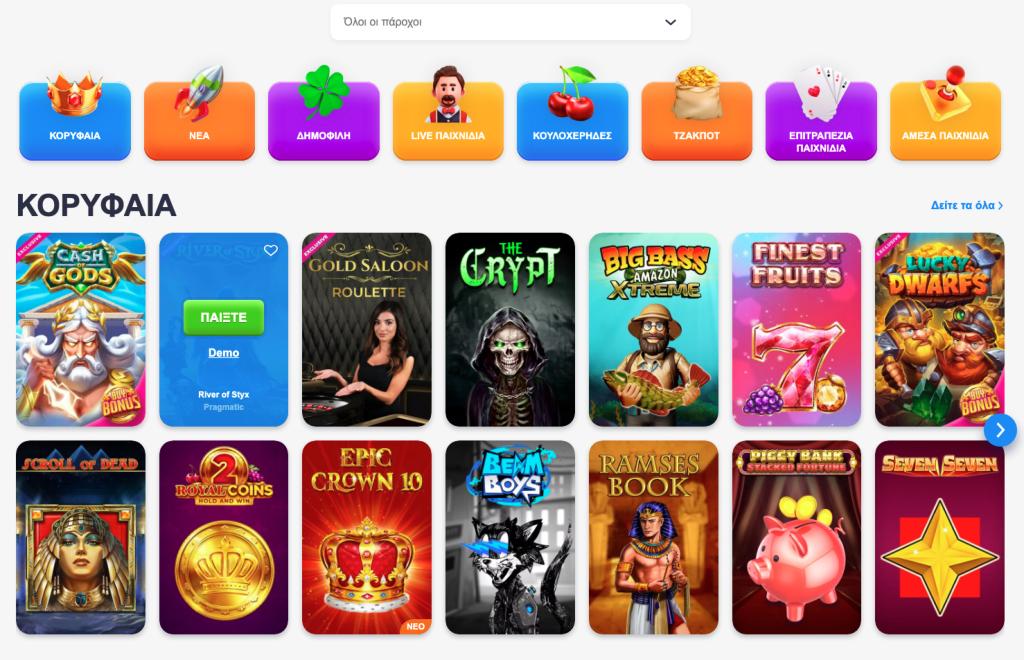
A Paysafecard casino refers to an online gambling platform that allows players to fund their accounts using Paysafecard as a payment method. This system enables users to deposit money into their casino accounts without needing to provide sensitive financial information, such as credit card numbers or bank account details. By entering the unique 16-digit PIN code from a purchased voucher, players can instantly transfer funds to their casino account and start playing games like slots, poker, blackjack, roulette, or live dealer tables.
In most cases, Paysafecard is used primarily for deposits, rather than withdrawals. This limitation is largely due to regulatory and compliance requirements, such as Know Your Customer (KYC) verification and anti-money laundering (AML) laws. While some casinos have implemented solutions like prepaid card-linked withdrawal systems, the majority require alternative methods, such as bank transfers, e-wallets, or cards, for cashing out winnings.
Key features of Paysafecard integration at online casinos typically include:
- Direct deposits via PIN codes: Players can fund their accounts quickly by entering the prepaid voucher code, eliminating the need for bank details or credit card information during the transaction.
- Instant fund crediting: Deposits are usually reflected in the player’s casino account immediately, allowing for uninterrupted gameplay and real-time participation in games or live betting.
- Enhanced privacy and security: Since Paysafecard functions as a prepaid voucher, players do not expose personal or financial information to the casino platform. This reduces the risk of data breaches, fraud, or unauthorized charges.
- Budget control and spending limits: Prepaid vouchers allow users to control the amount deposited, helping manage gambling budgets and promote responsible gaming. Players can only spend the value loaded on the voucher, which adds an extra layer of financial discipline.
Paysafecard casinos can vary widely in size, reputation, and regulatory compliance. They may include large, internationally licensed operators that are regulated in jurisdictions such as Malta, the UK, or Curacao, as well as smaller offshore gambling platforms. The availability of Paysafecard, as well as deposit limits, bonus eligibility, and terms of use, can differ depending on the casino and the country in which the player resides.
Because Paysafecard emphasizes speed, simplicity, and privacy, it has become especially popular among players who prefer prepaid solutions over traditional banking or card payments. Many gambling platforms integrate Paysafecard alongside other popular payment options, such as e-wallets, credit/debit cards, and local mobile payment methods, offering users flexibility in funding their accounts.
Overall, using Paysafecard at online casinos provides a secure, anonymous, and convenient method of depositing funds, though players should always check whether withdrawals are supported and confirm any deposit limits or associated fees before making transactions. It is particularly suitable for casual players or those prioritizing privacy and budgeting control, while more frequent high-value gamblers may need to combine Paysafecard deposits with other payment methods to facilitate withdrawals.

Benefits of Paysafecard Casinos
Enhanced Privacy and Data Security
One of the most significant advantages of using Paysafecard is that it eliminates the need to share bank account details or credit card information with the casino operator. All transactions are finalized with the voucher PIN, which greatly reduces the risk of financial data compromise.
Budget Control and Responsible Spending
Because Paysafecard is a prepaid payment method, players are restricted to spending only the funds loaded onto the voucher. Unlike credit cards or bank-linked payment systems, where it is possible to overspend or incur debt, Paysafecard enforces a natural spending limit tied to the voucher’s value. This characteristic provides a built-in financial control mechanism that can help users maintain discipline while participating in online gaming or other digital transactions.
Using Paysafecard, players can avoid overspending, as each voucher represents a fixed amount of money that cannot be exceeded. This makes it easier for users to plan their gaming activity responsibly without the temptation of spending beyond their means.
Additionally, Paysafecard allows users to set predefined spending limits by choosing vouchers of a specific value. For example, if a player wants to limit their deposit to 1,000 BDT for a single session, they can simply purchase a voucher of that exact amount. This approach ensures that players only engage with funds they are comfortable spending, reinforcing self-imposed financial boundaries.
Another key advantage is the ability to manage gaming budgets effectively over longer periods. Users can distribute multiple vouchers for weekly or monthly gaming sessions, maintaining oversight of cumulative spending. This structured approach reduces the risk of impulsive deposits, prevents accidental overspending, and fosters responsible gambling habits.
For individuals concerned about impulsive gambling behavior, Paysafecard’s prepaid nature provides a tangible safeguard. By controlling the amount of money available for play, users can enjoy the entertainment value of online gaming while minimizing potential financial risks. This feature is particularly appealing to new players, casual gamblers, or anyone looking for a secure, predictable way to manage online spending.
Overall, Paysafecard’s prepaid design not only enhances privacy and security but also serves as an effective tool for financial discipline, helping users stay in control of their gaming budgets and promoting responsible online payment practices.
Speed and Simplicity of Deposits
Paysafecard deposits are typically credited instantly, enabling players to begin gaming without waiting for processing times. This immediacy enhances the overall user experience and is especially advantageous for players who value quick access to games.
Limitations and Considerations
Withdrawal Restrictions
A notable limitation of Paysafecard casinos is that the method is often accepted only for deposits. Because Paysafecard transactions do not provide sufficient personal identification details, most regulated casinos require alternative verification methods (such as bank transfer, e‑wallets, or card payouts) for withdrawals. This can complicate overall payment management.
Transaction Limits
Paysafecard vouchers have fixed values based on purchase denominations (e.g., 10, 25, 50, 100 EUR or equivalent). While multiple vouchers can be combined, there may be limits on how many vouchers can be used in a single transaction, leading to practical constraints for larger deposits.
Limited Availability Across Jurisdictions
Paysafecard acceptance is not uniform across all markets. Some casinos do not support the method due to contractual, regulatory, or technical constraints. Players in certain countries may find that Paysafecard is unavailable or offered with restrictions, such as higher fees or lower maximum deposit limits.
Security and Regulatory Framework
Regulatory Compliance in Online Gambling
Paysafecard is widely used in regulated markets such as the European Union, the United Kingdom, and select jurisdictions in Asia and Latin America. Casinos that support Paysafecard often operate under licenses from reputable regulators (e.g., UK Gambling Commission, Malta Gaming Authority, Curacao eGaming). These regulators impose standards for financial transparency, AML (anti‑money laundering) compliance, and consumer protection.
When selecting a Paysafecard casino, it is important to verify:
- The casino’s licensing authority
- AML and KYC procedures
- Terms and conditions related to deposits and withdrawals
A regulated casino that supports Paysafecard provides greater assurance of legal compliance and fairness compared with unlicensed or offshore operators.
Fraud Prevention and Safety Mechanisms
Because Paysafecard does not require users to share sensitive financial information, such as credit card numbers, bank account details, or personal identification, it inherently protects against many common online fraud risks. Transactions conducted with Paysafecard are limited to the value of the prepaid voucher, which minimizes exposure to large-scale financial loss in the event of attempted fraud. This design provides a natural safeguard against threats like card cloning, unauthorized bank access, or online account hacking, which are common concerns with traditional payment methods.
Despite these advantages, users should remain aware of certain security considerations to ensure their funds remain safe:
- Lost or compromised PIN codes cannot be refunded without proof of purchase: Each Paysafecard voucher is tied to a unique 16-digit PIN. If the code is lost, stolen, or shared with an unauthorized party, recovery is only possible if the user can provide valid proof of purchase from the retailer or digital vendor. This underscores the importance of careful record-keeping and secure storage of the voucher receipt or confirmation.
- Vouchers must be purchased from authorized vendors: To avoid scams or counterfeit vouchers, users should only buy Paysafecard PINs from verified retail outlets, official digital vendors, or partner websites. Purchasing from unauthorized sources increases the risk of acquiring invalid or already-used codes, which can lead to failed transactions or financial loss.
- Keeping vouchers and PINs secure is essential: Players should treat the physical or digital voucher like cash. Sharing the PIN code publicly or storing it in unsecured locations can result in unauthorized use. Many users find it helpful to store PINs in password-protected notes or secure digital wallets until they are ready to make a payment.
By following these precautions, users can maximize the security benefits of Paysafecard while maintaining peace of mind during online transactions. The combination of prepaid limits, anonymity, and careful management of voucher codes makes Paysafecard a particularly safe option for online payments, especially on platforms like online casinos, streaming services, and digital marketplaces.
Overall, Paysafecard’s security model reduces risk exposure compared to conventional payment methods, but it requires responsible handling of PINs and adherence to authorized purchase channels to ensure full protection. Users who prioritize privacy and financial safety often find Paysafecard to be one of the most reliable and fraud-resistant methods for online spending.
Evaluating Paysafecard Casinos
When choosing a Paysafecard casino, it is essential for users to carefully evaluate the platform to ensure a safe, fair, and enjoyable gaming experience. While Paysafecard offers a secure method for depositing funds, the overall trustworthiness of a casino depends on factors beyond payment options. Several key criteria should guide players in selecting the right Paysafecard-enabled casino:
Licensing and Regulatory Standing
A reputable Paysafecard casino should clearly display its licensing and regulatory credentials. Licensing ensures that the casino operates under the legal framework of a recognized jurisdiction, such as Malta, the United Kingdom, Curacao, or Gibraltar. Casinos that are properly licensed are subject to regular audits, compliance checks, and dispute resolution mechanisms, which protect players’ rights and ensure that games operate fairly.
Verifiable licensing information can usually be found in the casino’s footer or “About Us” section, often accompanied by a license number. Players can cross-check these details with the issuing regulatory authority’s official website to confirm legitimacy. Choosing a licensed casino reduces the risk of fraud, unregulated activity, or non-payment of winnings.
Game Fairness and Software Providers
Beyond licensing, the credibility of a casino also depends on its game providers and the fairness of its offerings. Leading casinos partner with reputable software developers like NetEnt, Pragmatic Play, Evolution Gaming, Playtech, and Red Tiger, which are known for high-quality, RNG-certified games. Independent audits by agencies such as eCOGRA or iTech Labs verify that games are fair and random, ensuring that players have an unbiased chance of winning.
Deposit and Withdrawal Options
While Paysafecard is a convenient deposit method, players should also evaluate the availability and reliability of withdrawal options. Not all Paysafecard casinos allow withdrawals via prepaid vouchers, so understanding alternative methods such as bank transfers, e-wallets, or other card services is crucial. Efficient withdrawal processing, transparent limits, and minimal fees are important for a seamless gaming experience.
Security and Privacy Measures
A trustworthy casino should implement robust security protocols, including SSL encryption, secure account verification, and anti-fraud systems. Casinos that support Paysafecard should also ensure that voucher codes are processed securely and that user data is protected at all stages of the transaction. Additionally, privacy policies should clearly outline how personal and financial information is handled, giving players confidence in the platform’s data protection practices.
Responsible Gaming Tools
Leading Paysafecard casinos provide tools that promote responsible gambling. These may include deposit limits, session timers, self-exclusion options, and reality checks, helping users manage their spending and avoid impulsive gambling behavior. Since Paysafecard itself enforces spending limits by design, it complements these platform-level responsible gaming measures, offering a layered approach to player protection.
Reputation and User Feedback
Finally, the casino’s reputation among the gaming community is a valuable indicator of trustworthiness. Reading reviews, player testimonials, and independent forum discussions can provide insight into customer service quality, payout reliability, and platform integrity. Casinos with positive user feedback, prompt support responses, and a transparent operational history are generally safer and more enjoyable to play at.
By carefully evaluating licensing, software fairness, deposit and withdrawal methods, security protocols, responsible gaming tools, and community reputation, players can make informed decisions and select Paysafecard casinos that offer both convenience and safety. This thorough approach ensures that depositing funds via Paysafecard is complemented by a reliable and well-regulated online gaming experience.
Payment Transparency
Look for clear disclosure of:
- Accepted payment methods
- Deposit limits and fees
- Withdrawal procedures and alternative payout methods if Paysafecard is not supported for withdrawals
User Experience and Customer Support
A high‑quality Paysafecard casino should offer responsive customer support channels (e.g., live chat, email, phone), clear FAQ sections, and transparent terms of service.
Security Measures
Ensure that the casino employs industry‑standard encryption, data protection practices, and secure authentication protocols to protect user accounts and transactions.
Comparative Analysis: Paysafecard vs. Other Payment Methods
| Feature | Paysafecard | Credit/Debit Card | E‑wallets (e.g., Skrill, Neteller) | Bank Transfer |
| Privacy | High | Medium | Medium‑High | Low |
| Deposit Speed | Instant | Instant | Instant | Slow |
| Withdrawal Support | Limited | Yes | Yes | Yes |
| Budget Control | Excellent | Poor | Moderate | Low |
| Transaction Fees | May Apply | May Apply | Varies | Varies |
This comparison highlights that Paysafecard is best suited to players who prioritize privacy and budget control, while other methods may offer greater flexibility for withdrawals and larger transactions.
Paysafecard casinos represent a compelling option within the online gambling landscape for users who value privacy, budgetary control, and secure transaction mechanics. The prepaid nature of Paysafecard not only protects financial data but also promotes responsible gambling behavior by limiting expenditures to pre‑loaded amounts.
However, players should be aware of withdrawal restrictions, transaction limits, and availability constraints that may accompany Paysafecard usage. Choosing a licensed and transparent online casino that supports Paysafecard – as well as alternative payout methods – is essential for a secure and compliant gaming experience.
From a regulatory and operational perspective, Paysafecard adds a valuable payment option to the online casino ecosystem, provided users understand its limitations and integrate it thoughtfully within their overall payment strategy.